I can still picture the first time I received three wildly different quotes for the exact same installation. The first came in much cheaper. Another was nearly double. The third listed charges I never discussed. It felt confusing on a practical level.
By the end of that day, I understood something important. Fence installation costs and pricing are not one fixed number you can pull from a price list. They are a combination made up of choices, site conditions, materials, labor realities, and judgment calls.
Why Prices Vary So Widely
Installing a fence is one of those projects where pricing ranges feel huge. You will often hear numbers that run from very low to unexpectedly high. That is because the final cost is not driven by one factor but by many small decisions.
Here is what tends to move the needle:
- Fence style (wire, wood, PVC, aluminum, wrought iron, engineered boards) Total length (how many meters you need) Property conditions (slopes, soil type, rocks) Labor costs (local pricing, installer experience) Local rules (city requirements, neighborhood rules) Extras (gates, decorative elements)
Fence type and size usually dominate the budget. Labor cost is tied to material choice. More complex materials require more skill to handle.
Material Pricing: What You Will See
Exact prices vary by region, but the relative comparison is usually similar. These ranges are not quotes, but they help frame expectations.
Wire Fencing
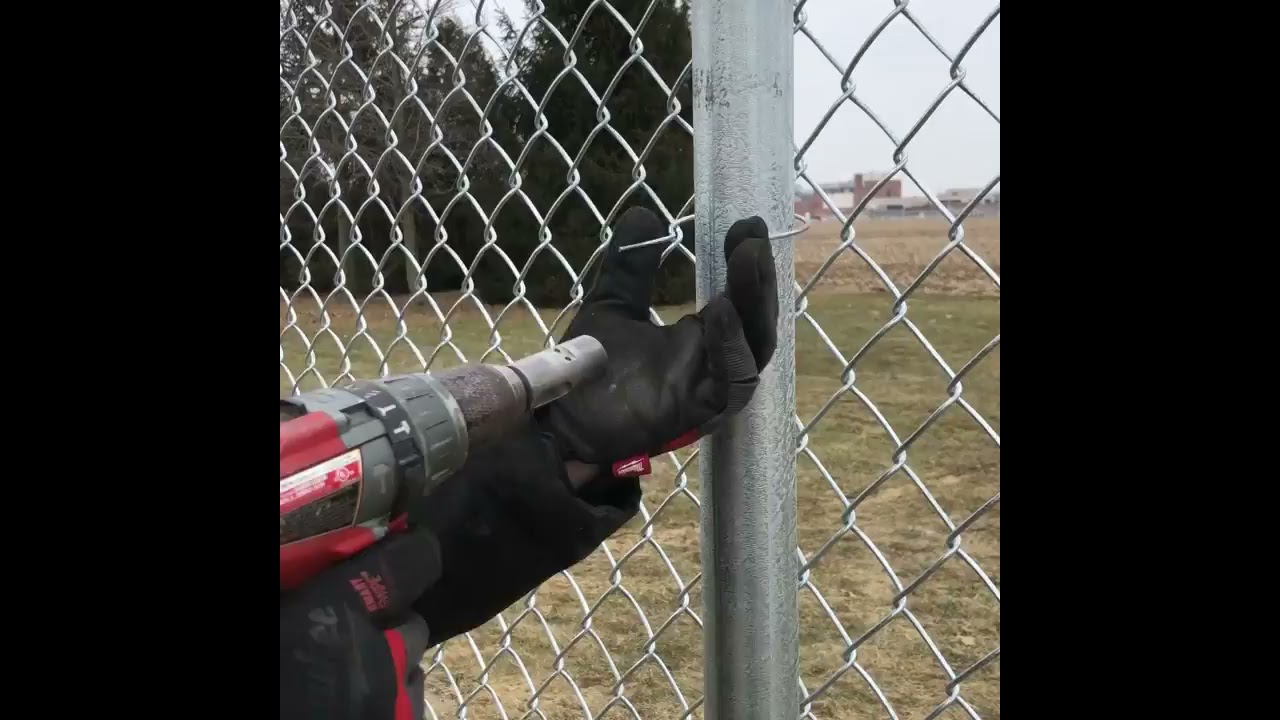
Wire fencing is usually the most affordable choice. Materials are simple. Installation is efficient. Heavier gauge and taller heights raise the price.
Wood Fences
Wood fencing sit in the middle of the pricing range. Cost depends heavily on wood type. Spruce costs less. Redwood comes at a premium.
Future upkeep is often ignored when talking price. Staining and sealing adds to lifetime cost.
PVC Fences
Vinyl fencing usually has higher upfront cost. You are buying a complete system. That higher price often balances future maintenance savings.

Metal Fences
Aluminum and iron fencing sit toward the high end of pricing. Aluminum fencing is easier to handle. Wrought iron adds labor and decorative cost.
Composite Fencing
Engineered fencing often rivals high-end wood or vinyl in cost. It exchanges higher initial cost for lower maintenance long term.
Labor Costs: What You Are Paying For
Installation labor can match or exceed materials alone. Experienced installers charge for experience. They solve issues early. That avoids rework.

- Level lots cost less Difficult terrain slow installation Additional excavation adds time and cost Larger crews work faster but cost more per hour
Permits and Rules: Often Overlooked Costs
Permit requirements vary widely. Some areas require permits. Others do not. HOAs can restrict materials which affects cost.
Add-Ons: Where Prices Rise
Gates add more cost. Basic walk https://writeablog.net/herecebhhn/property-fence-building-pricing-overview gates are manageable. Drive gates add hardware and labor. Automation systems raises price quickly.
Real World Pricing Scenarios
Basic Rear Yard Fence
Flat ground. Wood panels. One gate. Moderate cost. Straightforward labor.
Decorative Metal Fence
Sloped ground. Higher material cost. More labor. Permit review. Higher overall budget.
Functional Wire Fencing
Large area. Lower material cost. Moderate labor. Budget-friendly outcome.
How to Evaluate Estimates
- What materials are included Does the price include removal Are gates and hardware included Who handles permits Timeline
Wrapping It Up
Fence installation pricing are not simple. They reflect choices between materials, labor, property conditions.
The best next step is accurate site measurement. Clear expectations lead to realistic pricing. That understanding prevents surprises later.