Most homeowners do not set out to research chain link fence installation. It usually comes up because a functional issue becomes obvious. A wide open yard needs to be enclosed. A dog needs room without roaming. Sometimes cost becomes the deciding factor.
Once that situation is clear, installing a chain link fence feels less optional. It turns into a question of logistics. How quickly it installs. What the site supports. And whether it will solve the problem without extra complexity.
What Typically Mean When They Search Installing a Chain Link Fence
Most homeowners are not https://fence-installation-costs.raidersfanteamshop.com/wood-composite-fence-installing asking how chain link is manufactured. They want clarity on how installation works. How much prep is required. How forgiving the process is. And if it really installs easier than wood or vinyl.
Installing chain link fencing is straightforward, but not sloppy. Post placement matters. Tensioning matters. Skipping steps shows up later.
Before Installation: Why Preparation Still Counts
A common assumption is that chain link fencing does not need much prep. That is only partly true. It allows flexibility, but the basics still matter.
One quick observation. Chain link hides slope better than solid fences. But post locations still need planning. Especially at corners and ends.
Preparation Steps That Make Installation Easier
- Confirm property lines before digging. Mark corners and gates. Check ground conditions.
Skipping layout leads to rework. That is where time disappears.
Post Installation: The Backbone of Chain Link Fencing
Post installation is the foundation of chain link fencing. Terminal posts handle the most load. Line posts support spacing.
What surprised me was how much force runs through the fence. A weak corner post will show it sooner than expected.
Common Post Errors That Cause Issues
- Shallow corner posts. Inconsistent spacing. Posts not set plumb.
Spending extra time on terminal posts prevents issues later.
Installing the Mesh: Where Most Problems Appear
After posts are in place, the chain link fabric gets unrolled along the fence line. This part looks easy until stretching begins.
Here is what tends to happen. Too little tension causes sagging. Over tightening can bend posts.
A realistic approach is to tension gradually, checking alignment often, instead of forcing it.


Top Rails and Ties: Holding Everything Together
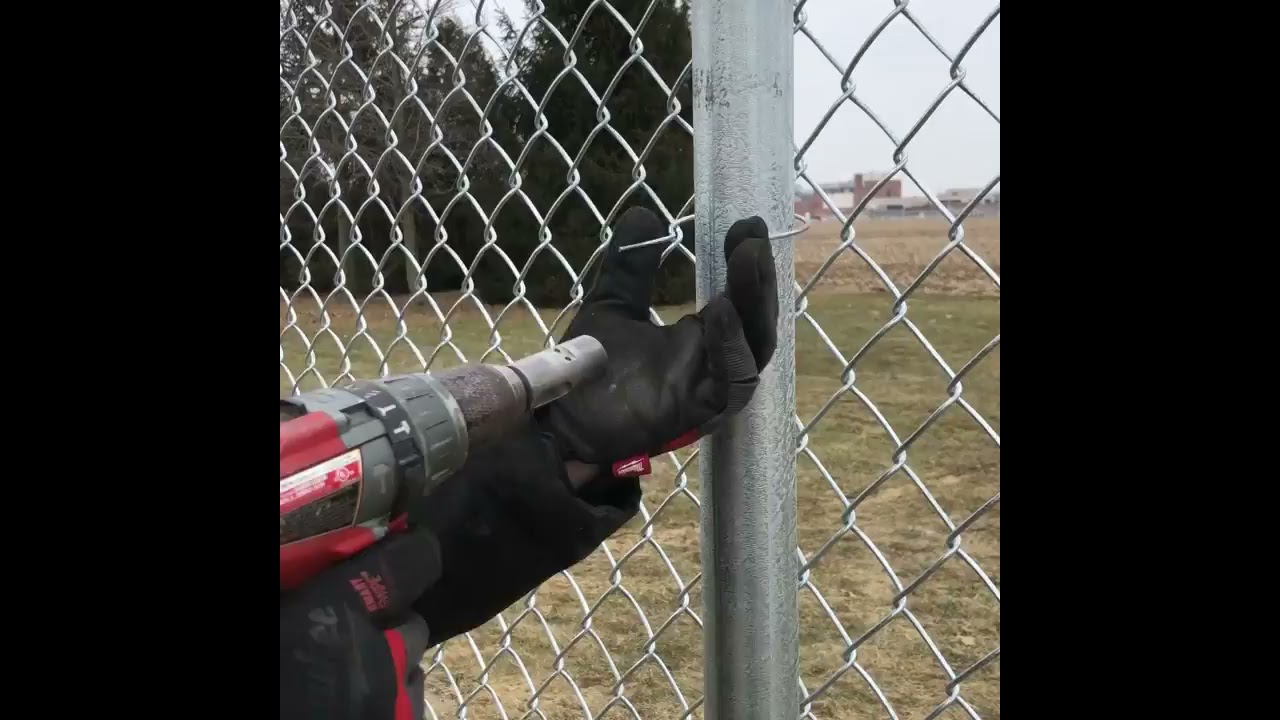
Top rails add stiffness. Wire ties secure the mesh to posts and rails.
Tie spacing matters. Too few ties allows movement. Too many ties wastes time without much benefit.
Gate Installation: Often Underestimated
Gate installation is often treated as a small detail. In reality, gates see constant use. Proper framing helps prevent sagging.
One quick aside. Chain link gates benefit from rechecking after a short settling period. Ground shifts can affect alignment.
Why Chain Link Still Makes Sense
- Installs faster than most fences. Works well on uneven ground. Lower overall cost.
Privacy is minimal. That is understood. For many homeowners, function matters more than looks.
Wrapping It Up
Installing a chain link fence is not about aesthetics. It comes down to defining boundaries, durability, and efficiency.
When installed correctly, chain link lasts. It handles ground movement. It adapts to terrain.
If you are planning installation, walk the fence line first, mark corners and gates, and focus on post installation. That focus makes the rest much easier.